
Rebar Grades Explained: HRB400 vs HRB500 vs B500B
Concrete is strong in compression but weak in tension, which is why virtually every modern structure carries steel reinforcement inside it. The ribbed steel bars that do this job — commonly called rebar or deformed steel bar — are specified by grade, and the grade name usually tells you the most important mechanical property: the minimum yield strength. Yet buyers comparing offers across Chinese, European and international projects regularly face the same confusion: how do HRB400, HRB500 and B500B actually differ, and can they be treated as equivalents?
This guide explains the three designations honestly — what each grade guarantees, where the standards behind them diverge, which projects each one suits, and what documentation you should demand before a single bar is shipped. By the end you will be able to compare quotes on an equal specification basis and avoid the two most expensive mistakes in rebar buying: over-specifying strength you do not need, and assuming grades from different standards are interchangeable when they are not.
What Do Rebar Grades Actually Mean?
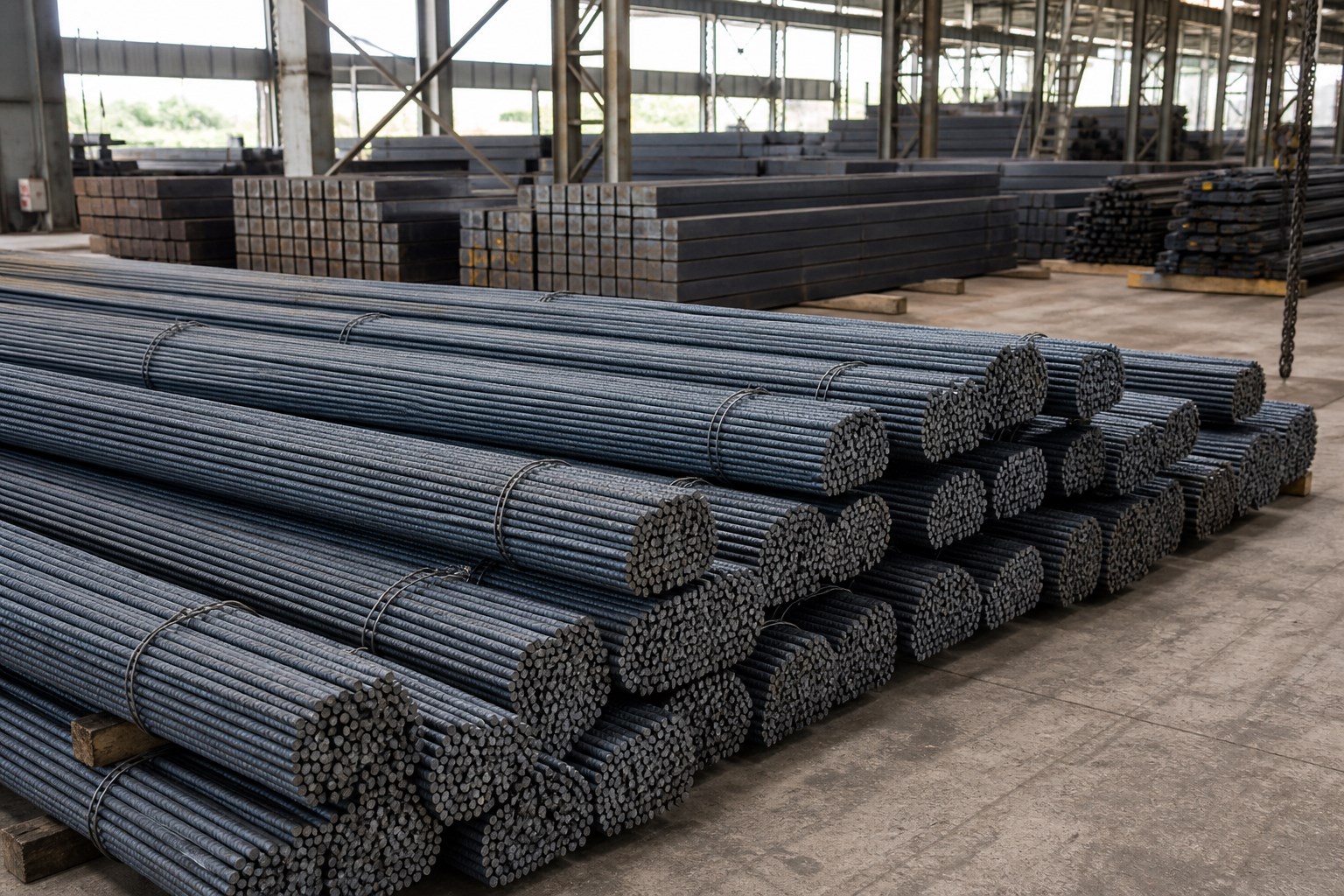
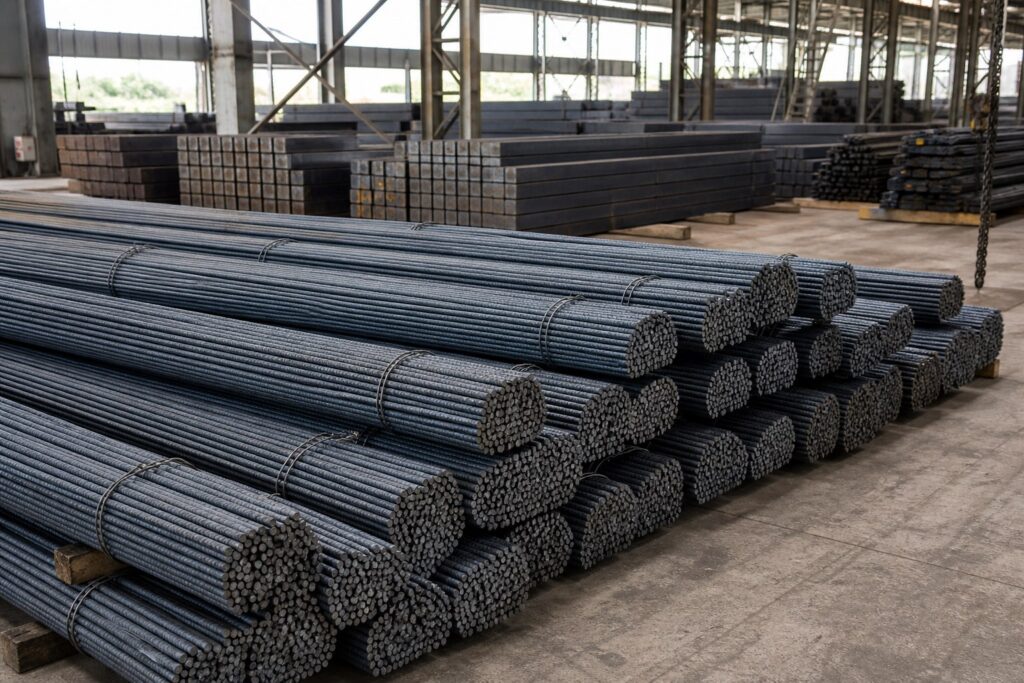
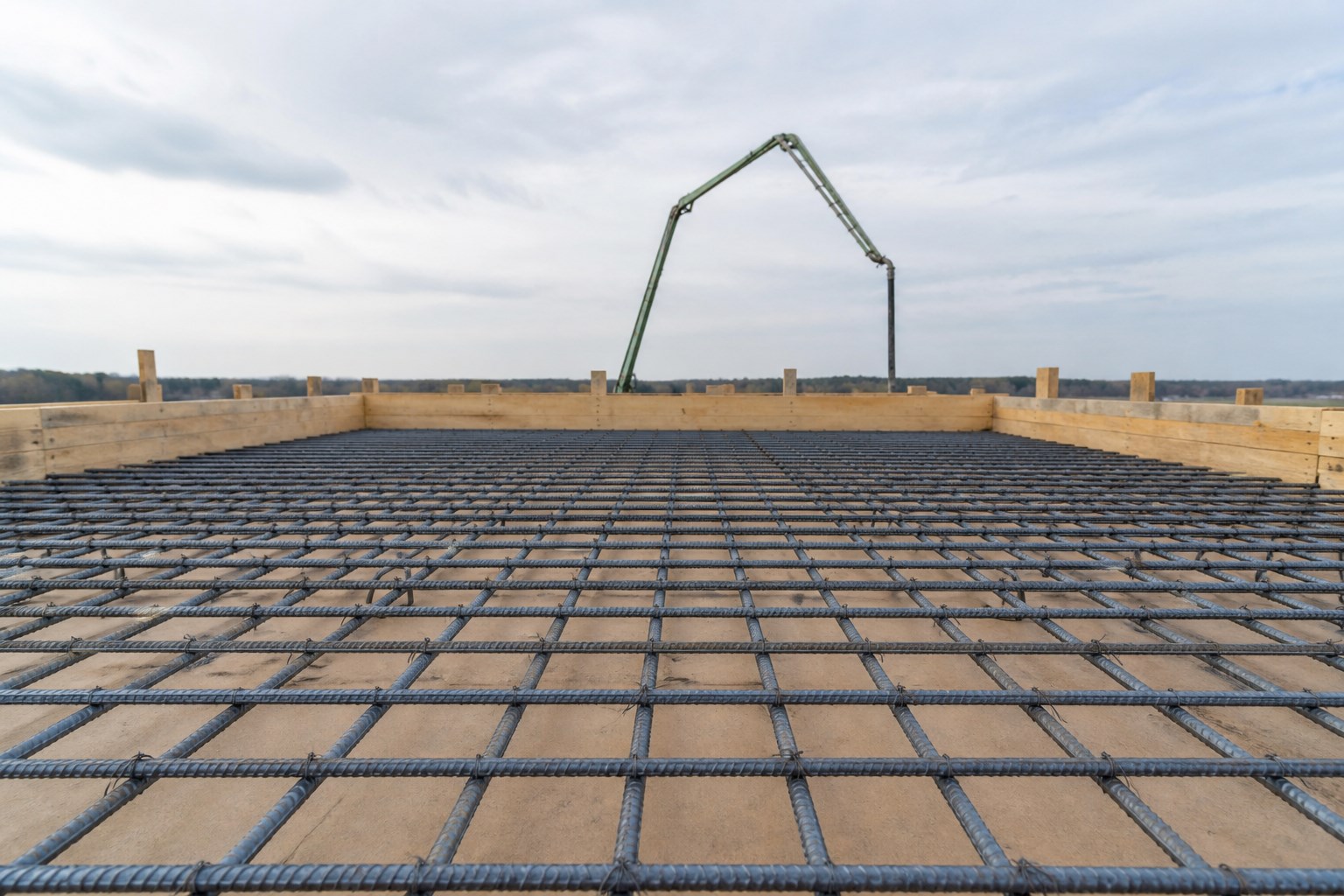
As the reference article on rebar explains, reinforcing bars work because their ribbed surface bonds mechanically with the surrounding reinforced concrete, letting the steel carry the tensile loads that concrete cannot. The grade designation is a compact specification: in the Chinese GB/T 1499.2 system, HRB stands for hot-rolled ribbed bar, and the number that follows is the guaranteed minimum yield strength in megapascals. HRB400 therefore guarantees a yield strength of at least 400 MPa, and HRB500 guarantees at least 500 MPa. In European-style systems the same logic applies — B500B is a ribbed bar whose characteristic yield strength is 500 MPa — although the letter suffixes carry extra meaning about ductility and weldability.
What the grade number never tells you is the full story: tensile strength, elongation, bend performance, rib geometry, and in seismic applications the ratio between tensile and yield strength are all defined by the underlying standard, not by the grade name alone. That is why two bars both marked “500” can behave very differently on site, and why the standard behind the grade matters as much as the number.
HRB400: The Construction Workhorse
HRB400 is the default reinforcement grade for the vast majority of building and civil engineering work in China and in many export markets supplied from Chinese mills. Under GB/T 1499.2 it guarantees a minimum yield strength of 400 MPa and a minimum tensile strength of 540 MPa, with a minimum elongation of 16% and reliable bend performance. Those properties comfortably cover the design requirements of residential buildings, commercial structures, bridges and industrial plants, which is why HRB400 is produced and consumed in far larger volumes than any higher grade.
From a practical buying standpoint HRB400 offers the best balance of strength, ductility, weldability and price for general construction. It is easy to cut, bend and tie on site, it welds without special preheat in most field conditions, and its ductility gives structures visible warning before failure rather than a brittle break. For projects that do not have unusual loading or seismic demands, specifying HRB400 is rarely a compromise — it is simply the right engineering default, and it is the grade most mills can supply fastest and in the widest range of diameters, typically from 6 mm up to 36 mm in 6, 9 or 12 metre lengths.
HRB500: Higher Strength, Different Rules
HRB500 raises the guaranteed minimum yield strength to 500 MPa and the minimum tensile strength to 630 MPa. The appeal is obvious: a higher-strength bar can carry the same load with less steel, which reduces tonnage, transport cost and congestion in heavily reinforced members such as columns and transfer beams. In design terms, HRB500 lets engineers either slim down member sizes or reduce the reinforcement ratio in high-load zones.
What buyers sometimes overlook is that high-strength reinforcement behaves differently from the workhorse grade. Its guaranteed elongation is lower than HRB400’s, so it is less forgiving of severe bending and cold working on site; field bending of HRB500 needs a larger mandrel radius, and some fabricators prefer to order pre-bent shapes rather than risk cracking bars during processing. Cracking control also needs more attention: because the bar carries more stress at the same strain, the surrounding concrete must be detailed properly to keep serviceability crack widths within limits. HRB500 commands a price premium over HRB400, and the honest engineering question is whether the project actually converts that premium into savings — usually only in high-rise columns, heavily loaded foundations and long-span members where tonnage reduction is real.
B500B: The European and International Workhorse
B500B is the grade designation familiar to specifiers working to British and European practice. It is defined in British Standard BS 4449 (and follows the ribbed-bar family formalised internationally in ISO 6935-2, “Steel for the reinforcement of concrete — Part 2: Ribbed bars”), where the B prefix denotes a bar grade and the number again denotes a characteristic yield strength of 500 MPa. The letter B in B500B is not decoration: it classifies the bar’s ductility and weldability, and B500B is the most widely specified weldable grade for general reinforced concrete work in UK, Middle East, Africa and many other markets that follow British or European design codes.
The grade is deliberately engineered for site handling: its chemistry limits carbon equivalent to keep the bar weldable, its ductility requirements ensure it can be bent and re-bent to the radii demanded by design codes, and its bond behaviour with concrete is controlled through rib geometry. For an exporter comparing B500B with HRB500, the yield-strength numbers line up — both are 500 MPa — but the two are specified to different standards with different test regimes, rib patterns and marking requirements. Treating them as automatic equivalents on a project documents-based contract is exactly the kind of assumption that causes rejections at inspection.
HRB400 vs HRB500 vs B500B: Side-by-Side Comparison
The table below summarises the practical differences between the three rebar grades for procurement purposes. Where a value is not given, the requirement is defined by the governing standard and confirmed on the mill certificate rather than by a single headline number.
| Comparison point | HRB400 (GB/T 1499.2) | HRB500 (GB/T 1499.2) | B500B (BS 4449 / EN 10080 lineage) |
|---|---|---|---|
| Min. yield strength | 400 MPa | 500 MPa | 500 MPa (characteristic) |
| Min. tensile strength | 540 MPa | 630 MPa | Per BS 4449 ductility class |
| Typical min. elongation | ≥16% | ≥15% | Per BS 4449 ductility class |
| Weldability | Good in normal practice | Acceptable, follow procedure | Designed weldable grade |
| Typical use | General buildings, bridges, plants | High-rise columns, heavy foundations | General construction per BS/EN codes |
| Relative material cost | Baseline | Premium over HRB400 | Varies by market and standard |
One cross-standard note worth keeping: in North American practice the dominant grades are defined by ASTM A615/A615M, which covers deformed and plain carbon-steel bars in Grade 40 [280 MPa], Grade 60 [420 MPa], Grade 75 [520 MPa] and higher. Grade 60 is the usual structural default and sits close to HRB400 in yield terms, but rib geometry, bar-size numbering and test requirements differ from the GB system — another reason to specify the standard explicitly rather than rely on yield strength alone.
What About HRB400E? Seismic Grades Explained
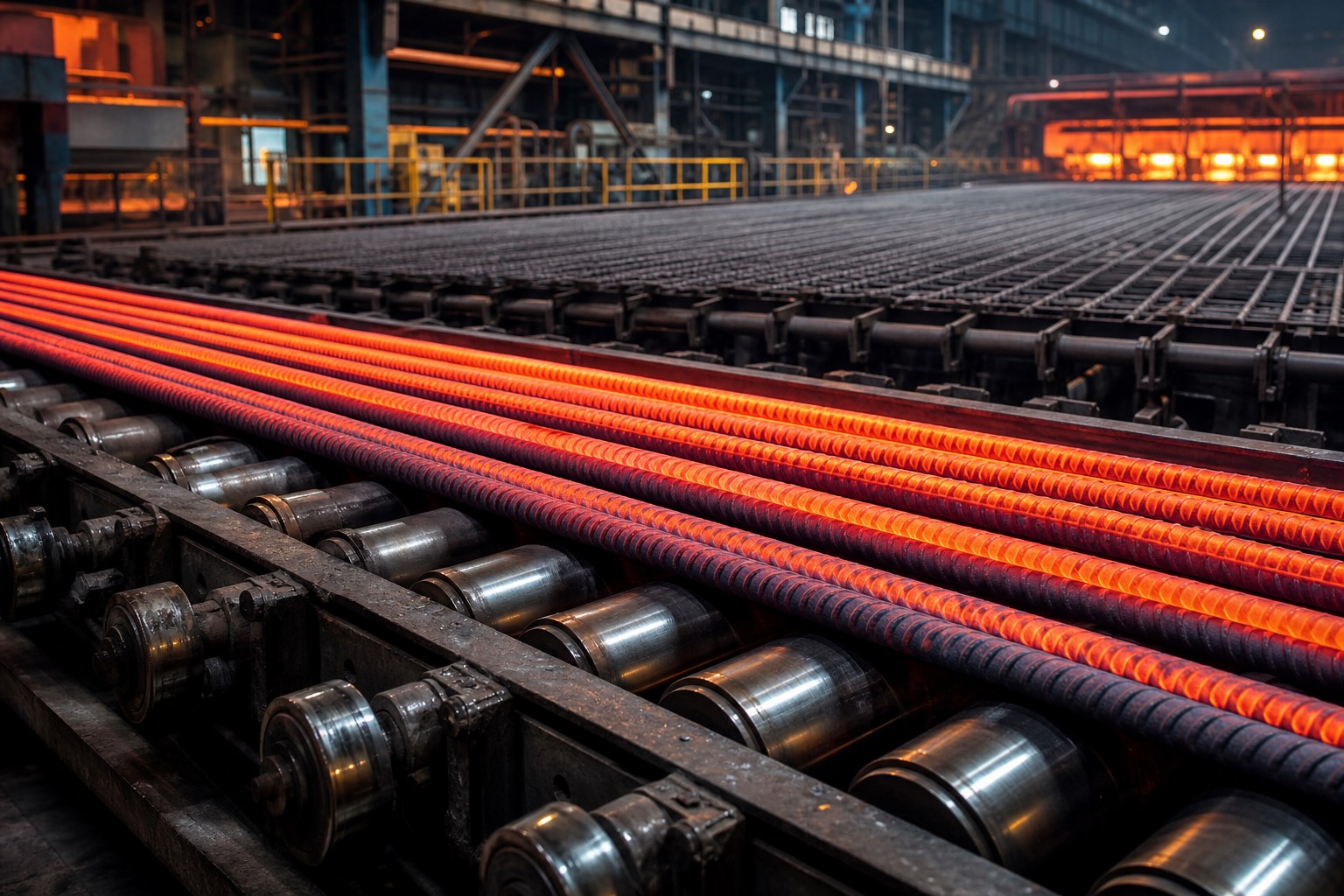
In seismic zones the ordinary grade is not enough. The E suffix in HRB400E and HRB500E stands for earthquake resistance, and it imposes two extra requirements on top of the base grade: the ratio of tensile strength to yield strength must be at least 1.25, and the total elongation at maximum force must be at least 9%. These two properties are what allow a structure to yield and dissipate energy during an earthquake instead of rupturing suddenly — the reinforcement stretches like a ductile fuse rather than snapping.
For projects in seismic regions or countries whose codes follow seismic design provisions, specifying HRB400E or HRB500E is a code requirement, not an option. Seismic-grade rebar is supplied with the same base chemistry and ribs as the standard grade but with tighter control of the tensile-to-yield ratio, and every heat must demonstrate the extra ductility in testing. It is available across the normal diameter range — a common export example is HRB400E deformed bar in 16 mm diameter, supplied in 12 m lengths for column and shear-wall reinforcement — and should always be ordered with the seismic requirements stated explicitly on the purchase order so the mill certificate records the right test values.
How to Choose the Right Rebar Grade for Your Project
Work through this checklist when you compare rebar grades for a new order:
- Read the design code, not the salesman. The structural engineer’s drawings specify the grade, the standard and the diameter. If the project is designed to GB 50010, the default will normally be HRB400 or HRB400E; if it is designed to BS/EN practice, expect B500B; if it follows ACI practice, expect ASTM A615 Grade 60. Match the grade system to the design code that governs the structure.
- Check the seismic requirement first. In any seismic design zone, confirm whether an E-grade (HRB400E/HRB500E) or an equivalent ductility class is mandated — this changes both the grade and the test documentation.
- Ask whether higher strength actually pays. HRB500 only saves money if the design can convert the extra strength into less tonnage. For run-of-the-mill slabs, beams and walls, HRB400 is normally the economical choice; reserve HRB500 for heavily loaded columns and foundations.
- Confirm site bendability. If the contractor bends bars on site, check the minimum bend radius requirement against the grade. High-strength grades need larger mandrels and more careful handling.
- Specify the standard and the certificate together. State GB/T 1499.2, BS 4449, ISO 6935-2 or ASTM A615 on the order, and require the mill test certificate to record chemical composition, yield, tensile, elongation and bend results for the exact heat and batch delivered.
Quality Checks and Documentation to Request
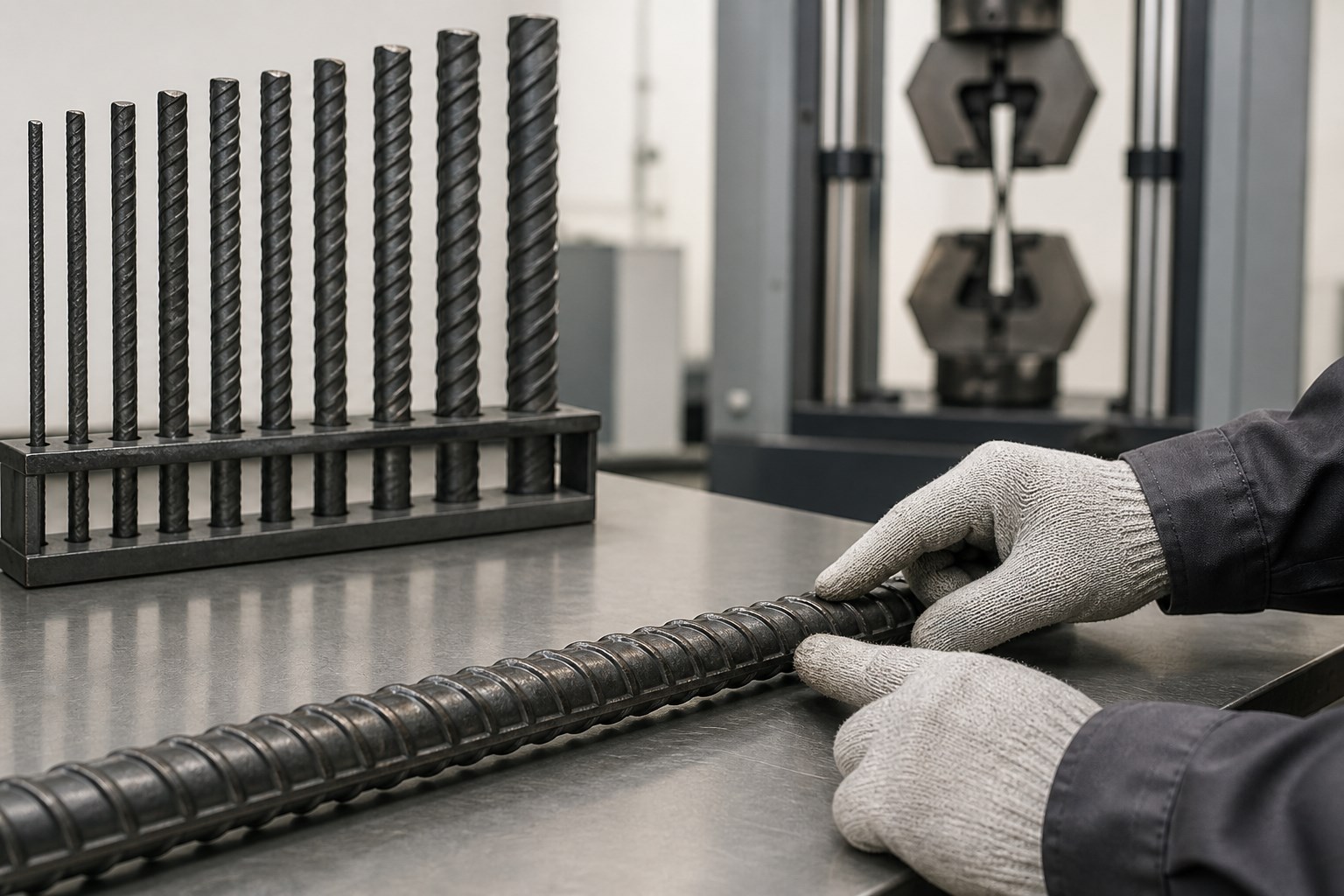
Rebar is a safety-critical material, and the difference between a compliant and a non-compliant delivery is decided by testing, not by appearance. Before shipment, verify the four things that matter:
- Mechanical test results. Yield strength, tensile strength and elongation must meet the ordered grade’s minima for every heat. Ask whether the results come from the actual batch or from a similar heat — batch-level certificates are the stronger guarantee.
- Bend and re-bend tests. The ribs and the bar body must survive the bend radius required by the standard without cracking, which validates both the steel quality and the rib geometry.
- Rib geometry and marking. Deformation pattern, spacing and height affect bond with concrete. Bars should carry rolled-in grade and mill marks so the material can be traced to its heat.
- Dimensions and straightness. Nominal diameter, rib height and length tolerance should be checked on arrival — undersized bars are one of the classic ways a “cheap” quote hides its real cost.
If your order will be inspected by a third-party agency, confirm which standard they will test against before you pay, because HRB400, HRB500 and B500B are tested to different regimes and the certificate must match the standard named in your contract.
Frequently Asked Questions
Is HRB500 always better than HRB400?
No. HRB500 carries more strength per bar, but it costs more, is less ductile, and needs larger bend radii on site. It only delivers value when the design actually uses the extra strength to reduce tonnage — typically in high-rise columns and heavily loaded foundations. For general construction HRB400 remains the economical and engineering-sensible default, and in seismic zones the E-grade ductility requirements matter more than the base strength level.
Can HRB400 and HRB500 be mixed in one structure?
Structurally they can coexist where the design calls for different grades in different members, but they should never be mixed within the same structural element unless the engineer’s drawings explicitly show it. Mixing grades changes the yield behaviour of the member and can invalidate the design assumptions. When in doubt, keep each element on a single grade and document it clearly on the shop drawings.
Is B500B the same as HRB500?
Both guarantee roughly 500 MPa yield strength, but they are specified to different standards with different ductility classes, rib geometries, marking systems and test regimes. B500B is a weldable ductility class used in BS/EN-based projects; HRB500 is a GB/T 1499.2 grade. A buyer should specify one standard on the order and make sure the certificate, the inspection agency and the design code all agree — never assume the two are interchangeable without written confirmation.
What does the E in HRB400E mean?
The E stands for earthquake-resistant (seismic) performance. On top of the base grade requirements, HRB400E must demonstrate a tensile-to-yield strength ratio of at least 1.25 and a total elongation at maximum force of at least 9%, giving the structure ductile behaviour under seismic loading.
Specify the Grade Correctly, Then Compare Prices
The most expensive mistake in rebar procurement is comparing quotes that are not on the same basis. Fix the standard, the grade, the diameter, the length and the seismic requirement first — then let suppliers price against that fixed specification. Whether your project needs HRB400 for general frames, HRB500 for high-load columns, HRB400E for seismic zones or B500B for a BS/EN-based design, sending the drawings or the reinforcement schedule is the fastest way to receive a quotation that matches the job rather than a generic catalogue price.
For ribbed bars supplied in common construction diameters from 6 mm to 36 mm, explore the deformed steel bar range from Shuncheng Steel, including HRB400, HRB500 and seismic-grade options. Our carbon steel rebar is available in the grades and sizes above with full mill test certificates. Contact Shuncheng Steel with your grade, standard, diameter and quantity for mill-direct pricing and batch-level test documentation.
Related Reading
Rebar is part of the wider carbon steel family, so if your project also involves carbon steel piping, our guide on carbon steel vs stainless steel pipe explains how material selection logic works across steel product families — useful background when you are consolidating a full material package with one supplier.