
Steel Plate Sizes and Tolerances: How Do You Choose Between 1500×3000 and 1500×6000?
Plate ordered in the wrong sheet size arrives as unwanted offcuts, extra welds and a fabrication bill nobody quoted. Size choice is a cost decision.
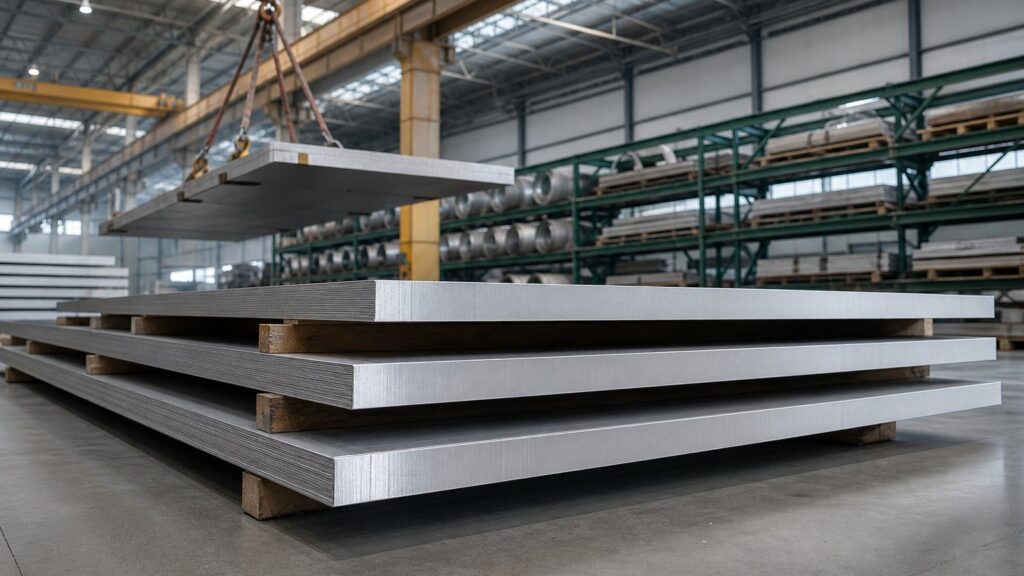
A 1500 x 3000 mm plate gives the best material utilisation for small and mid-size parts because it is easy to handle and nest; a 1500 x 6000 mm plate reduces the number of joints and handling operations on long components, but demands crane capacity and wider cutting tables.
Transition: those two sentences hide a decision made three times in every project — at the design desk, in the cutting plan, and again when the mill certificate lands on the table and the thickness is not quite what the drawing assumed. The sections below follow that sequence: what size and tolerance actually control, how the two metric formats compare, which tolerances apply to thickness, width and length, how tolerance changes yield, how a delivered plate is verified, and what belongs in the enquiry so the material arrives usable.
What Do Steel Plate Sizes and Tolerances Actually Control?
Sheet size and tolerance look like paperwork; in practice they decide cutting yield, weld count, crane time and whether the delivered plate can be used at all.
They control three things at once: the area you pay for, the number of joints a component needs, and the risk of a plate arriving outside the band your cutting plan assumes.
Area, joints and handling
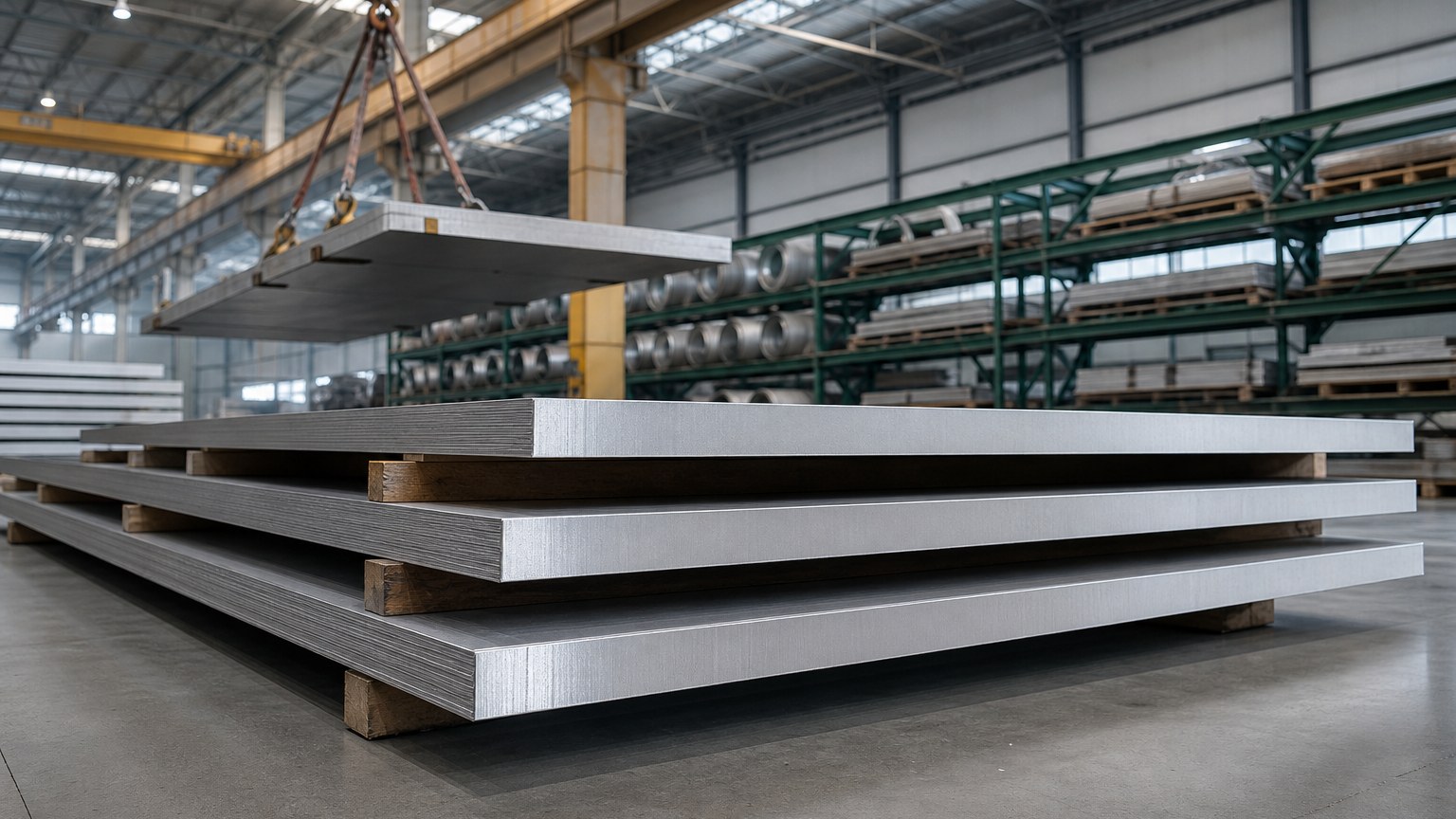
Every plate format resolves into three measurable quantities. The first is area: a 1500 x 3000 mm plate carries 4.5 square metres of material and a 1500 x 6000 mm plate carries 9 square metres, so the longer format halves the number of sheets that must be lifted, stacked and tracked for the same finished area. The second is joint count. A component longer than three metres has to be spliced when it is cut from 3000 mm stock, and every splice brings a weld, a qualified procedure, an inspection hold point and a distortion risk the fabricator then has to control. The third is handling weight. At 4 mm, the short format weighs about 143 kg in 316L while the long format weighs about 287 kg, which moves the lift from a small trolley or a two-person carry to a crane or forklift with a spreader beam. None of those three numbers appears on a quotation, yet together they usually decide which format is cheaper per finished part.
Where tolerance enters the calculation
Tolerance decides whether a nominal size can actually be used. A plate ordered as 4 mm may arrive marginally thinner than nominal, and on a machined pad or a pressure-retaining part that difference is absorbed either by design margin or by the fabricator. Width and length tolerances decide how close a cut edge sits to the drawing outline before any trimming allowance is added. Flatness and camber decide whether a laser or plasma table can hold a nest without the plate rocking on the slats, and whether a formed part needs a levelling pass before rolling. Because these variations interact, a buyer who states only “4 mm, 1500 x 3000” hands the supplier the loosest permissible interpretation, and the cost of that choice reappears as extra edge trimming, additional weld passes or a rejected batch at goods-in. Since size and tolerance are quoted together in stainless steel plate sizes and tolerances, the practical rule is to state the applicable standard, the tolerance class and the measurement method on the purchase order, which makes the same plate predictable from quotation through to delivery.
How Do 1500×3000 and 1500×6000 Plates Compare in Practice?
The question is not which plate is better, but which format fits the part, the machine and the lifting equipment already on site.
3000 mm stock suits small and mid-size parts, short components and sites without crane capacity; 6000 mm stock suits long components, high-volume nesting and fabricators who want fewer handling operations per square metre.
The table below puts both formats side by side in the terms that reach a quotation: area per sheet and theoretical weight per plate. The figures are calculated from nominal dimensions and a density of 7.98 g/cm³ for 316L, so they represent ordered weight rather than weighed weight.
| Nominal thickness | 1500 x 3000 mm — area 4.5 m² | 1500 x 6000 mm — area 9 m² | Sheets per 10 tonnes (1500 x 3000) |
|---|---|---|---|
| 3 mm | 107.7 kg | 215.5 kg | 93 |
| 4 mm | 143.6 kg | 287.3 kg | 70 |
| 5 mm | 179.6 kg | 359.1 kg | 56 |
| 6 mm | 215.5 kg | 430.9 kg | 46 |
| 8 mm | 287.3 kg | 574.6 kg | 35 |
Where the 1500 x 3000 mm format wins
The 1500 x 3000 mm plate is the default unit for general fabrication because it stays inside the working envelope of small laser and plasma tables, fits standard workshop roller doors and can be moved with a forklift or a small crane without a spreader. At 4 mm it weighs roughly 143 kg in 316L, which means one or two people with suitable equipment can reposition it on a bench, a useful property when parts are marked out by hand or when a single plate is cut into several finishing operations over a day. It is also the format that suits mixed production: five or ten sheets of 1500 x 3000 rotate more easily around a schedule than half as many long plates, because each lift occupies less floor space and offcuts can be returned to the rack instead of hanging over the aisle. For importers, the short format packs into containers with less risk of overhanging bundles and is easier to bundle and strap.
Where the 1500 x 6000 mm format wins
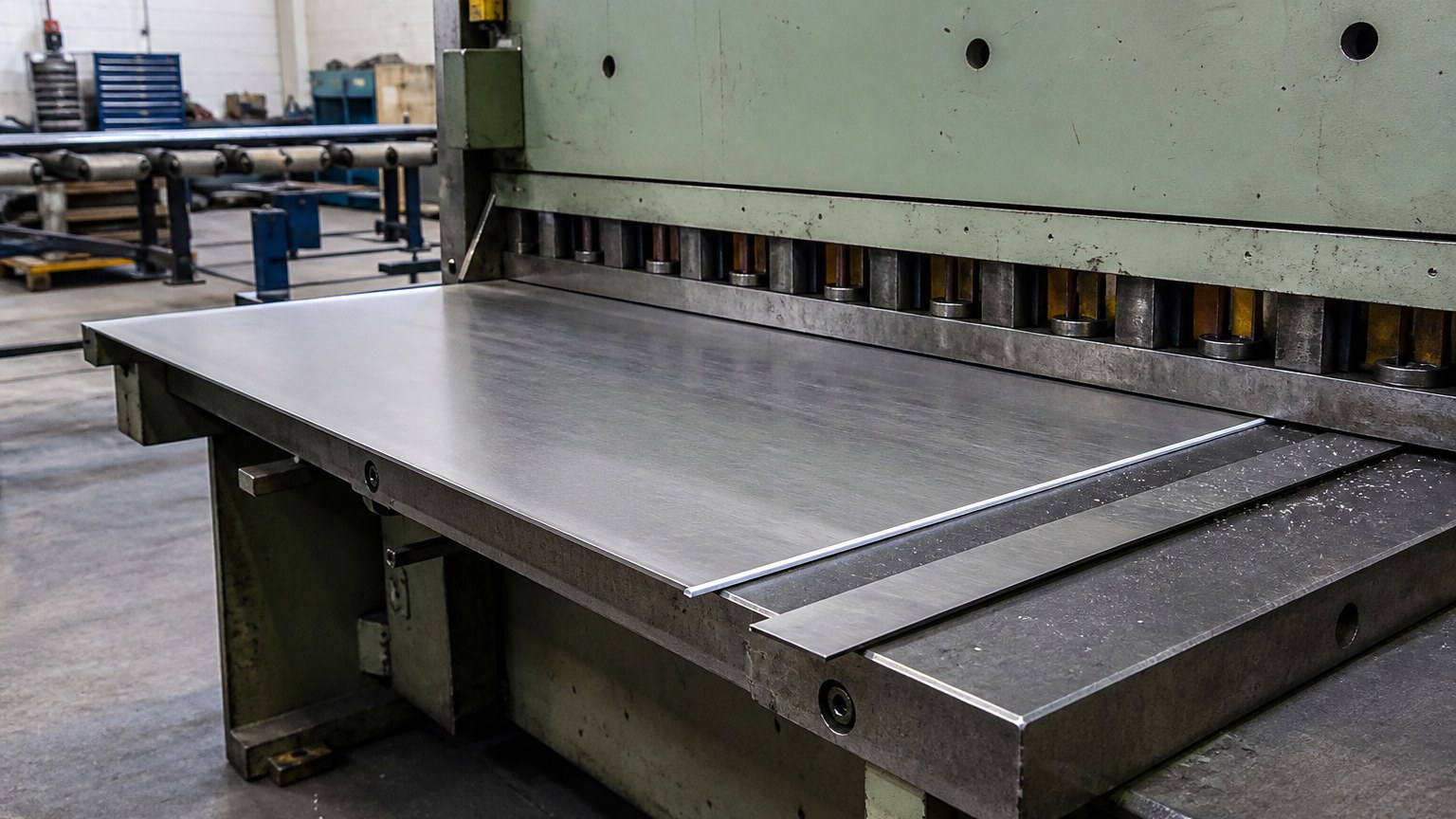
The 1500 x 6000 mm plate becomes the cheaper format as soon as the finished component is long, or the volume of nested parts per sheet is high. Halving the number of sheets halves the number of setup operations, edge-trim passes and plate-handling moves, and it removes the transverse splice from any component over three metres. On long runs of identical parts, the extra two square metres of nesting area also reduce the fraction of the plate lost to end trim, because the offcut at the tail of a 6 metre nest is usually a usable remnant rather than scrap. The trade-off is infrastructure: plate handling needs a crane or a heavy forklift, the cutting table must accept a six metre plate without re-clamping, and storage racking must be long enough to stack the format flat. Buyers who compare the two formats on unit price per square metre alone miss where the real difference sits, which is not in the material cost but in the number of welds, the number of lifts and the number of table changes the schedule has to absorb. For a wider view of how standard sheet dimensions are written, see the dimension and tolerance conventions used for sheet and plate in our earlier guide.
Which Tolerances Apply to Plate Thickness, Width and Length?
Thickness is the tolerance that changes the weight and the strength of an order; width, length, flatness and camber decide whether the plate can be cut to the drawing.
Thickness variation is governed by the product standard and its tolerance class, while width, length, squareness, flatness and camber are separate tolerances published in the same standard or in its general requirements document.
Thickness tolerance and why it widens
Hot-rolled plate is not produced to an exact thickness. Roll gap, temperature, roll wear and the progressive reduction of the strip mean that a nominal 4 mm plate arrives inside a band, and that band widens as nominal thickness and width increase. The consequence for a buyer is that thickness tolerance is not a detail to leave to the mill: on a large order the difference between an upper and a lower permitted thickness can move the total weight of the consignment by more than the freight allowance covers, which is why experienced importers specify thickness in the purchase order as a tolerance, not as a single figure. Two documents usually govern the number. For flat-rolled stainless and heat-resisting plate, sheet and strip, ASTM A480/A480M sets out the general requirements that apply unless the purchase order says otherwise, including permissible variation in dimensions. For rolled structural steel plates, ASTM A6/A6M performs the same role, and its Annex A1 lists permitted variations in dimensions and mass in SI units — conformance to that annex is mandatory when the SI designation is specified. European purchasers more often quote a class from EN 10029, which covers tolerances on dimensions and shape for hot-rolled plate from 3 mm upward. The class, not the nominal figure, is what the mill will actually work to.
Width, length, squareness and flatness
Width and length tolerance is usually expressed as a permissible oversize rather than an undersize, because mills shear or trim a plate to at least the ordered dimension. That matters for nesting, since a plate measuring slightly over nominal is normal and should not be treated as a defect, while a plate measuring under nominal removes material from the outermost nest. Squareness and camber are measured at the corners and along the edge, and they determine whether a straight cut can be made without first straight-edging the plate. Flatness tolerance controls the gap between the plate and a straight edge, and it is the tolerance that most often decides whether a plate can be processed on a laser or plasma bed at all. Finally, mass tolerance is separate again: it limits how far the actual weight of a consignment may differ from the theoretical weight calculated from nominal dimensions, and it is the number that protects the buyer when freight is charged per tonne.
How Do Tolerances Change Your Cutting Plan and Yield?
A cutting plan built on nominal dimensions is a plan that assumes zero variation; the first undersized plate forces the nest to be rebuilt on the shop floor.
Yield is the ratio of finished part area to purchased plate area, and it falls whenever edge trim, tolerance bands or remnant shapes are larger than the allowance the plan assumed.
Building the allowance in the right place
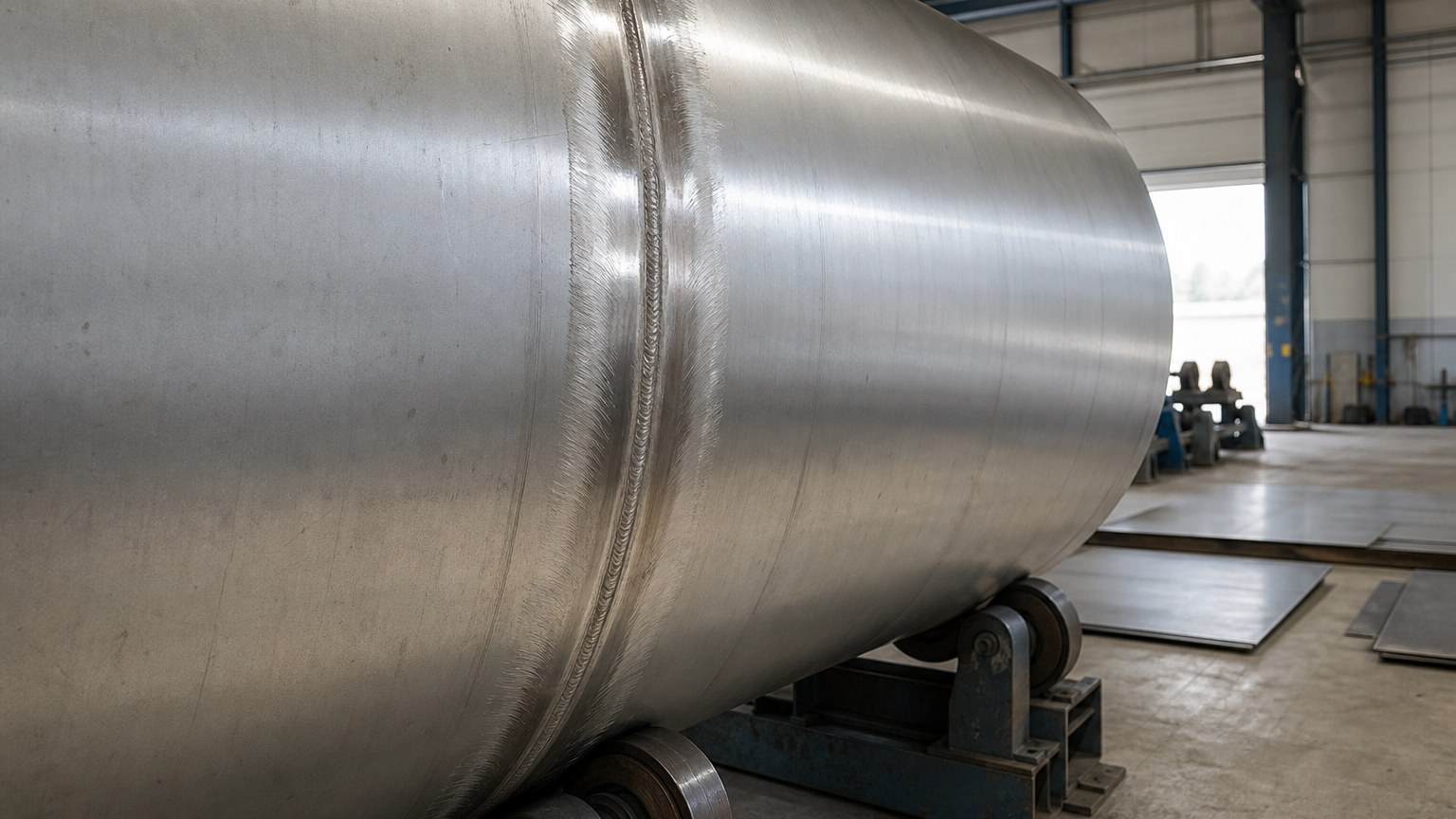
The practical way to protect yield is to attach allowances to the operation that consumes them. Thickness tolerance affects weight and, on parts that are machined afterwards, the machining allowance on each face. Width and length tolerance affects the edge trim allowance, which belongs on the outside of the nest. Flatness tolerance affects the number of parts that can be cut before the bed needs clearing, because a plate that lifts between slats must be weighted or clamped. Camber affects the first cut only, but that cut costs a full-length trim. When all four are lumped into a single conservative margin, the margin is usually generous in one direction and short in another, and the shop ends up either scrapping usable material or re-nesting mid-run. Sorting the allowances also makes the estimate auditable, because each figure can be traced to the clause that created it.
Format, remnant and re-use
Remnant management is where the 1500 x 6000 mm format earns its reputation. A six metre nest usually leaves a short tail piece that can be re-racked as stock for small brackets, whereas a 3000 mm nest tends to consume the plate completely and leave nothing returnable. Over a year of repetitive work the accumulated remnants can represent a meaningful fraction of purchased tonnage, provided the shop tags them, records the grade and closes them out of the stock system. For the 316L material used in hygienic and corrosive service, that discipline also protects traceability, because a remnant without a heat number cannot be certified into a new job. A supplier who can deliver the exact format the nest was drawn for — for example 316L stainless steel plate in 4 mm 2B finish cut to the ordered format — removes one variable from that chain and lets the cutting plan hold its yield instead of chasing it. It is worth reading the tolerance clauses in the purchase order as a cutting instruction, not as legal boilerplate, because that is how the shop will interpret them.
How Do You Verify Plate Size and Thickness on Receipt?
Goods-in inspection exists to catch the one plate that sits outside the band, before the nest is set and the cutting program is released.
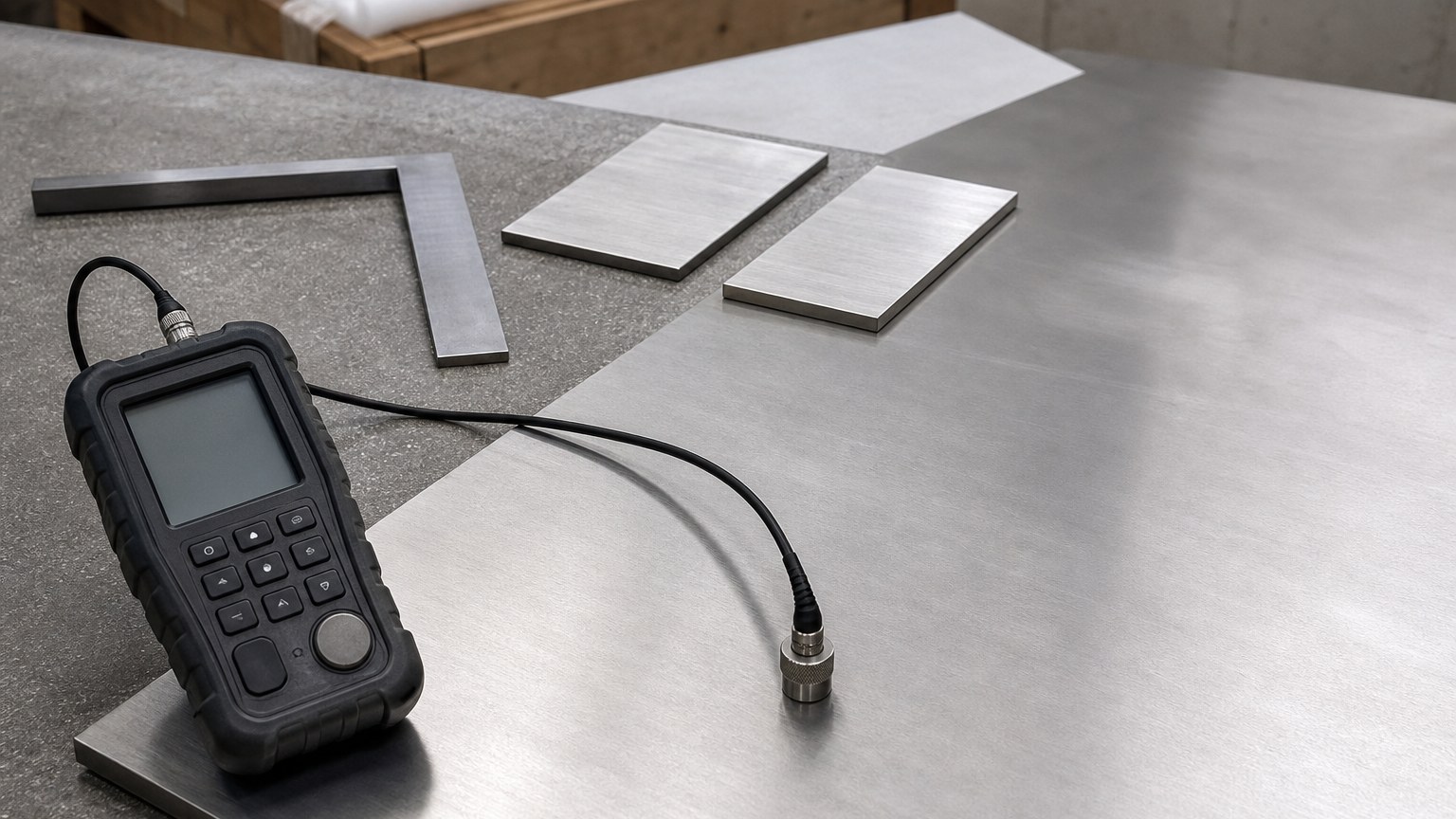
Verify thickness with a calibrated gauge at several points per plate, check width and length against the ordered format, and confirm the heat number on the plate matches the mill certificate before acceptance.
A short receiving routine that actually catches problems
Verification does not require a metrology laboratory. A three-step routine covers most disputes. First, measure thickness with a calibrated micrometer or an ultrasonic thickness gauge at a fixed pattern — corners and centre, at least five readings per plate — and record the minimum value, because a plate is only as thick as its thinnest point. Second, measure width and length with a steel tape at both ends, and note camber by pulling a string line along the longer edge. Third, compare the heat number stamped or stencilled on the plate with the number printed on the mill test certificate, and check that the certificate reports the grade, heat analysis and mechanical results for the material actually delivered. The difference between theoretical weight and actual weight then follows from the measured dimensions, and a documented weight difference is a legitimate basis for a claim, whereas an undocumented one is a conversation. It is also worth confirming the surface condition of the plate at the same time, because rolling marks, handling scratches and edge damage are easier to attribute before the plate goes into production — the terms used to describe those finishes are covered in our comparison of 2B, BA and No.4 finishes.
What the standards do and do not tell you
Standards define permissible variation; they do not define what your drawing needs. A plate that fully complies with its specification can still be unusable for a particular nest, and a plate outside the normal band may be perfectly acceptable for a non-critical part, which is why the tolerance band should be written into the enquiry as a requirement rather than assumed from the grade. It also helps to know what the grade itself promises. Austenitic stainless such as 304 and 316 is an iron-based alloy with at least 10.5% chromium that forms a self-healing passive film, as summarised in the reference article on stainless steel; that corrosion behaviour is independent of the dimensional tolerances discussed here, but both sets of requirements usually sit on the same purchase order and are checked by the same receiving inspection. Keeping the two records separate — one for chemistry and mechanicals, one for dimensions — makes a claim against a supplier unambiguous, because it is clear which requirement failed and on what evidence.
How Do You Write Size and Tolerance Requirements into an Enquiry?
Most plate disputes are written into the enquiry before the quotation is issued, in the gap between a nominal size and a stated tolerance.
State the format, the grade, the finish, the applicable standard with its tolerance class, the measurement method and the marking requirement — then ask the supplier to confirm each item back in writing.
The line items that remove most questions
A useable enquiry reads like a specification rather than a shopping list. Give the format as width multiplied by length in millimetres, the thickness with its tolerance clause, the grade by its recognised designation, the surface finish, and the edge condition — mill edge, sheared or trimmed. Add the standard that governs dimensions together with the tolerance class if one is quoted, and state whether thickness is to be verified by micrometer or by ultrasonic gauge at receipt. Marking and certification belong in the same block: heat number stamped on each plate, mill test certificate supplied per heat, and packing method for the export route. When a supplier can return those items line by line with the offer, the quotation becomes comparable across suppliers, and the buyer can see whether a lower price comes from a thinner permitted band, a mill edge instead of a trimmed edge, or a lighter gauge of packing. Stainless plate is traded as a commodity in some markets and as an engineered product in others, and the difference is almost always in how precisely these tolerance statements are written.
Confirming tolerance instead of assuming it
The final step is a written confirmation, not a verbal one. Ask for the tolerance clause to be repeated on the order acknowledgement, ask which standard the mill will work to, and ask for the theoretical weight to be recalculated from the ordered dimensions so that the tonnage on the contract matches the tonnage on the packing list. Buyers who do this find that the conversation shifts from arguing about a delivered plate to specifying the next order more tightly. Industry associations such as the International Stainless Steel Forum publish background material that is useful when a specification is being drafted for a new market, and it is a sensible reference to keep alongside the applicable product standard. If your next project involves stainless plate in a specific format and tolerance band, send the plate list and tolerance requirements to our export team and we will confirm the format, the applicable tolerance clause and the theoretical weight in writing before the order is placed.
Conclusion: Which Plate Size Should You Order?
Choose 1500 x 3000 for small parts, mixed work and sites without crane capacity; choose 1500 x 6000 for long components and high-volume nesting, and always state the tolerance class.