
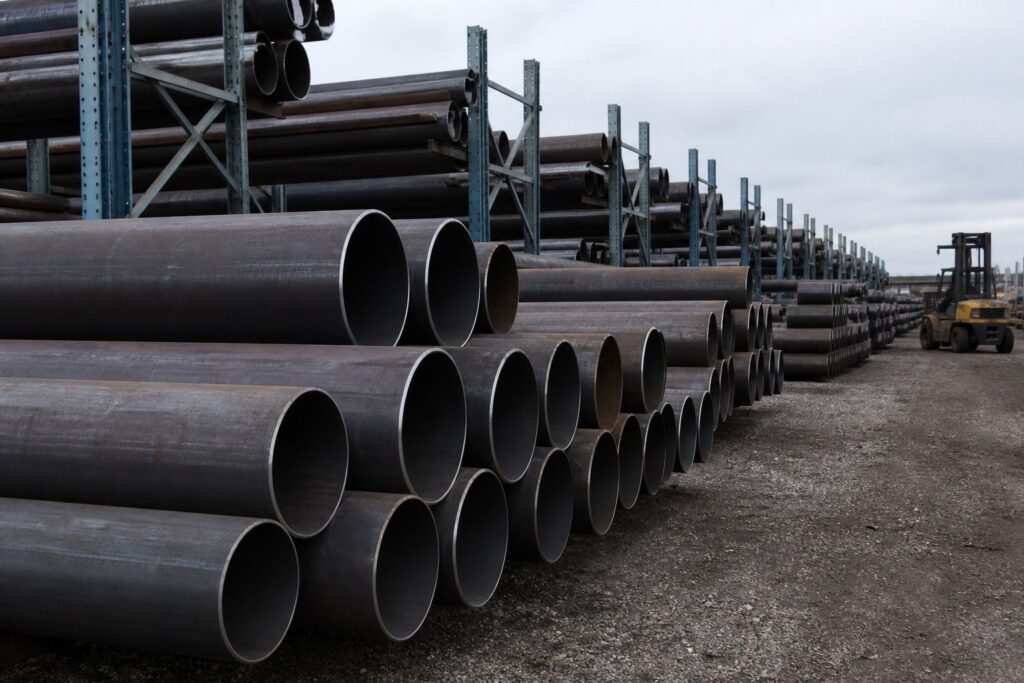
API 5L PSL1 vs PSL2: Requirements, Testing and Price Impact
Two quotes for the same API 5L grade can differ by 15 percent or more — and the difference is often hidden in two letters: PSL. Product Specification Levels 1 and 2 define two completely different quality regimes for line pipe, yet many buyers compare prices without checking which level each offer actually carries.
This guide breaks down API 5L PSL1 vs PSL2 in practical terms: what changes in chemistry and testing, which projects legally require PSL 2, and what the upgrade really costs per ton — so your next inquiry gets specified correctly the first time.
What Are Product Specification Levels (PSL)?
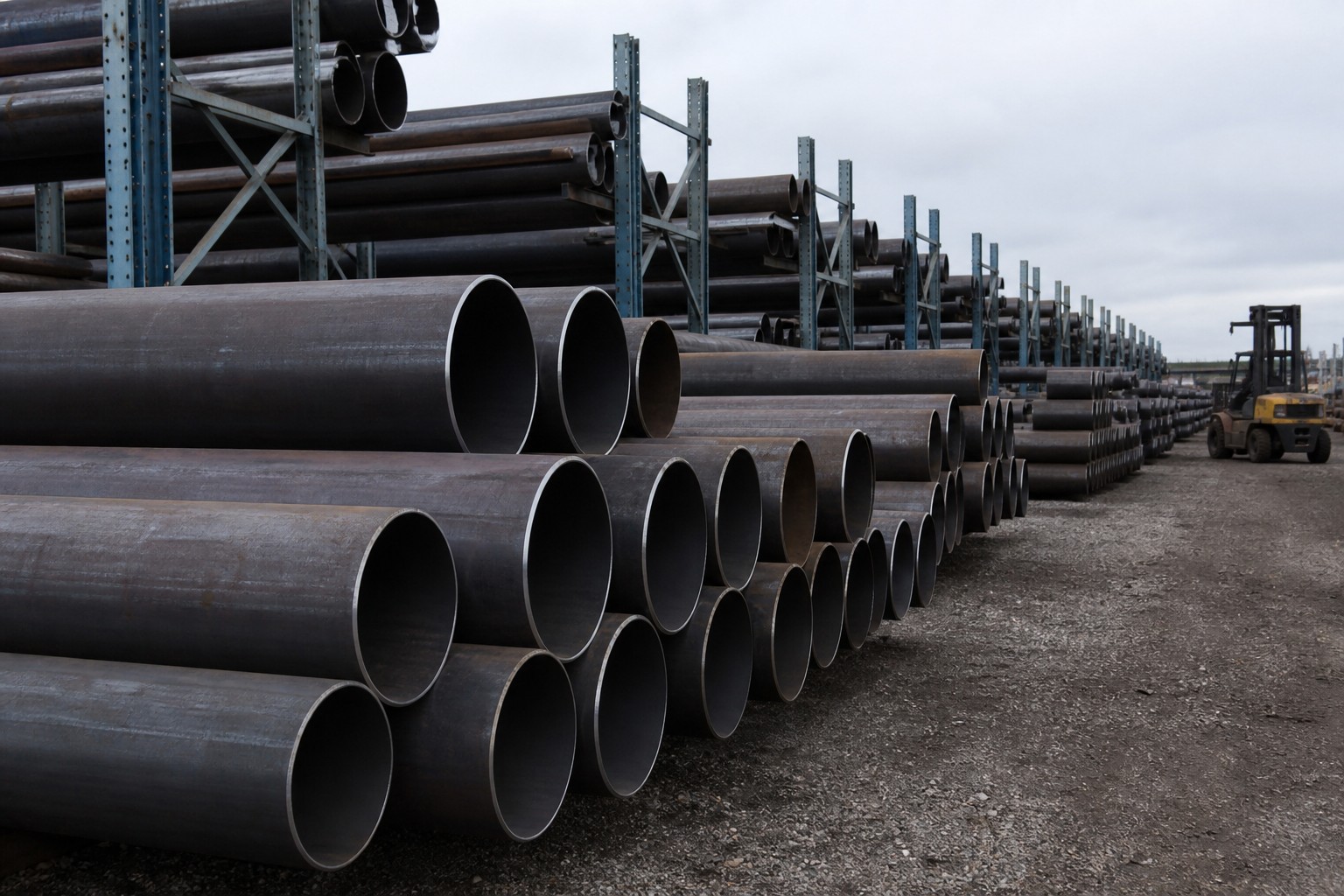
API 5L, the specification for line pipe used in pipeline transportation systems, divides every grade into two product specification levels. PSL 1 is the baseline level designed for standard service; PSL 2 imposes additional chemical, mechanical and testing requirements for more demanding applications. The grade and the PSL are independent — you can order X52 PSL 1 or X52 PSL 2, and they are different products with different certificates and different prices.
Both levels are covered by the same pipe standard published jointly as ISO 3183, so an internationally recognized line pipe order can specify either level in equivalent wording. What matters for the buyer is understanding which level your design code requires and making sure every offer is quoted on the same basis.
The two-level structure was introduced in the 43rd edition of API 5L and has been refined in every edition since. Before it existed, buyers had to bolt extra requirements onto a single specification through long supplementary lists — a system that was easy to get wrong and hard to audit. PSL 2 was created to bundle the critical requirements for transmission service into one auditable package, which is why modern project specifications rarely add more than a handful of supplementary requirements on top of PSL 2.
API 5L PSL 1 vs PSL 2: The Key Differences
The differences between the two levels are systematic. PSL 2 is not PSL 1 with a few extra tests bolted on — it tightens the whole production envelope:
| Requirement | PSL 1 | PSL 2 |
|---|---|---|
| Carbon equivalent (CE) | No mandatory limit | Tight maximum (CEIIW or CEPcm by grade) |
| Charpy impact test | Not required | Mandatory at specified temperature |
| Yield-to-tensile ratio | Not controlled | Controlled maximum |
| Maximum yield strength | None | Capped (prevents over-strength pipe) |
| Non-destructive testing | Standard (hydrostatic + basic NDT) | Full NDT with tighter acceptance criteria |
| Traceability | Heat traceability as agreed | Complete heat traceability required |
| Repair of weld defects | Permitted | Severely restricted |
The chemistry limits deserve special attention. PSL 2 caps the carbon equivalent so that field welding produces consistent, crack-free joints. It also imposes a maximum yield strength, which sounds counterintuitive until you realize that over-strength pipe is a real problem: if a joint is designed for X65 but the delivered pipe yields like X80, the weld procedure qualification no longer matches the actual material.
Testing Requirements: What PSL 2 Adds
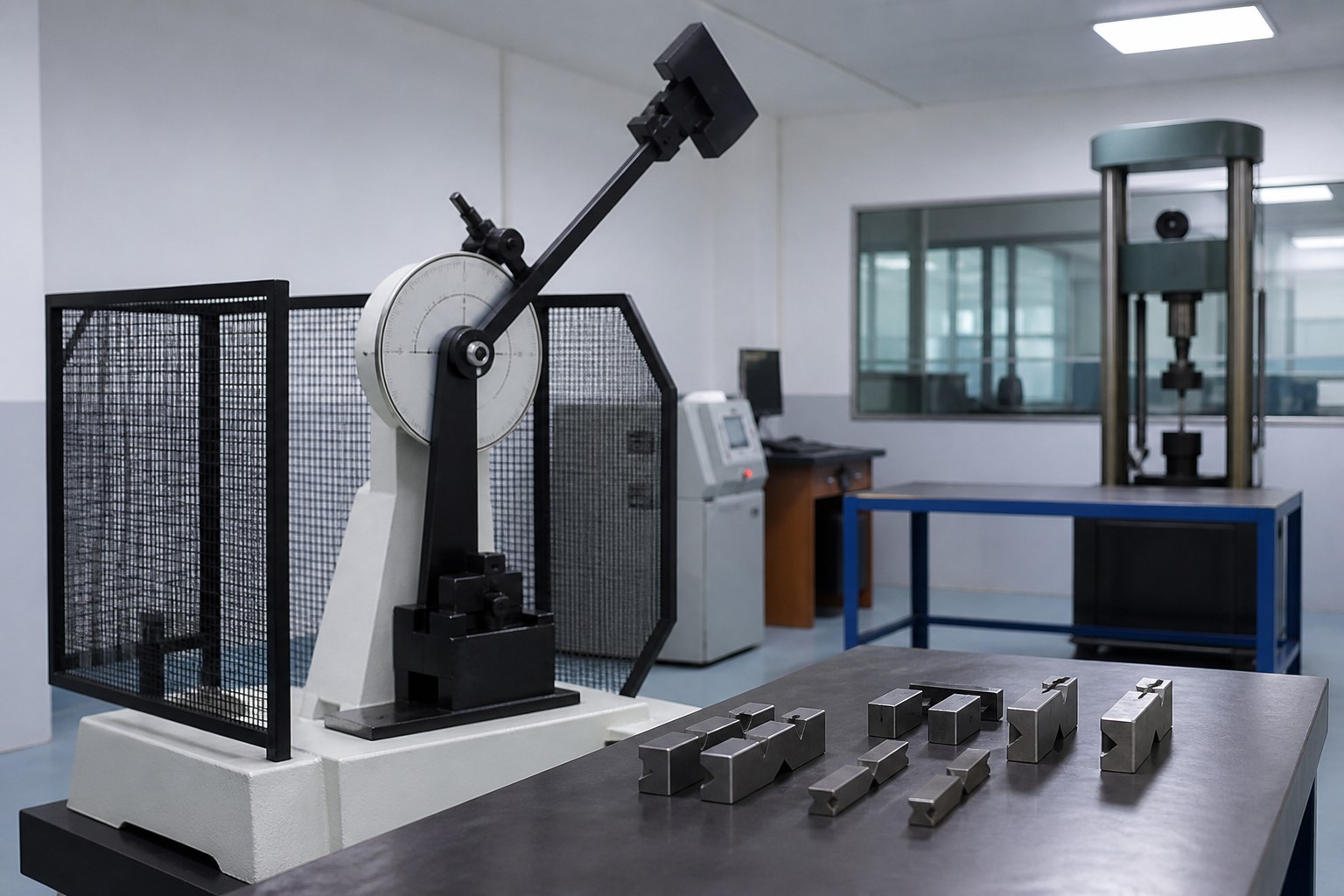
Testing is where the cost gap between PSL 1 and PSL 2 is really created. Every PSL 2 heat must demonstrate absorbed energy in a Charpy impact test at the specified test temperature — typically 0 °C, −10 °C or −20 °C depending on the project — with minimum absorbed energy values that scale with pipe diameter. The test temperature written on the certificate must match your design conditions; ordering PSL 2 at 0 °C for a pipeline that operates at −20 °C is a specification error, not a paperwork detail.
On top of impact testing, PSL 2 line pipe goes through a more demanding regime of non-destructive testing. Welded pipe receives full-body ultrasonic or electromagnetic inspection of the weld, while seamless pipe is checked over the full body for longitudinal defects. Acceptance criteria are tighter than PSL 1, and weld repairs are limited to a small number of acceptable conditions.
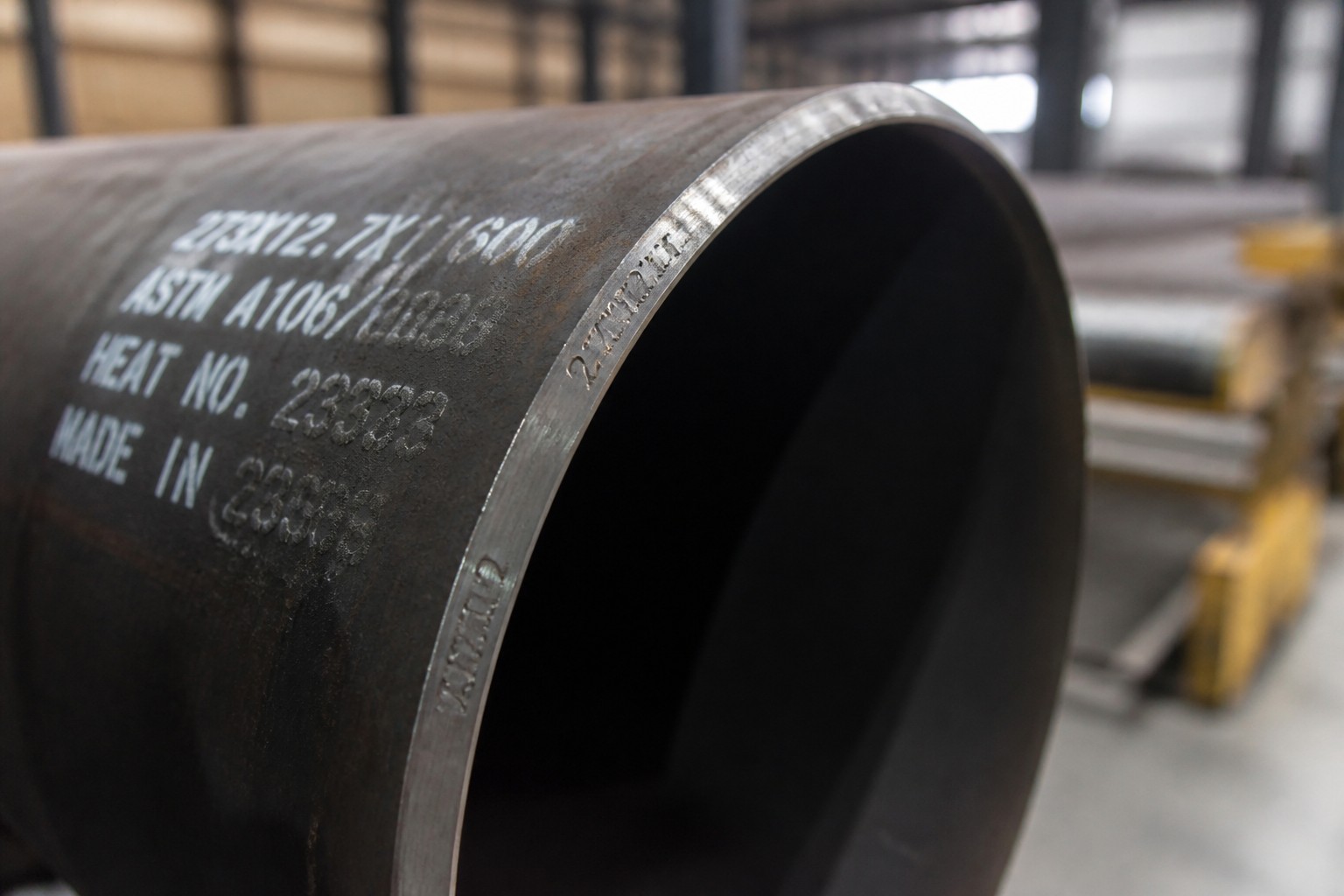
Finally, PSL 2 requires the mill to demonstrate complete traceability from the heat of steel to the finished pipe. In practice this means every pipe end is stenciled with the heat number and the certificate groups pipes by heat — which is exactly the level of documentation third-party inspectors verify before shipment.
It is worth noting that NDT under PSL 2 is not a single test but a layered program. Seamless pipe receives full-body examination for longitudinal discontinuities; welded pipe is inspected along the full weld length after the final heat treatment, and the pipe ends are additionally checked for laminar defects before beveling. Hydrostatic testing is mandatory at both levels, but PSL 2 ties the test pressure and hold time to the design factor in a stricter way, so two pipes of the same grade and size can have different certified test pressures depending on their PSL.
PSL 2 Supplementary Requirements for Sour Service
Projects transporting fluids containing hydrogen sulfide (H2S) take PSL 2 one step further by invoking supplementary requirements such as SR5 (sour service) or SR6 (sour service with higher toughness). These add HIC (hydrogen-induced cracking) and SSC (sulfide stress cracking) tests on the actual pipe material, plus tighter limits on sulfur and other residuals.
If your fluid is sour, the PSL 2 + SR designation is not optional — specifying plain PSL 2 for a sour line risks step-wise cracking over the life of the pipeline. This is a classic case where a small specification line on the purchase order determines whether the pipe survives a decade of service or fails silently. The long-term reliability record of pipeline transport is built on exactly this kind of material discipline.
Cost Impact: What PSL 2 Really Costs
So what is the price difference? As a planning figure, PSL 2 typically adds 5–15 percent over the same grade and size in PSL 1, with the spread driven by:
- Impact testing frequency — more test coupons, more rejected heats.
- Tighter chemistry — mills may need to adjust steelmaking to hold the CE cap, reducing yield from marginal heats.
- Full-body NDT — slower production lines for welded pipe.
- Documentation and traceability — complete heat grouping raises administrative and inspection cost.
In small diameters and simple grades the premium sits near the lower end; in large diameters with low-temperature impact requirements it can exceed 15 percent. The mistake to avoid is treating the two levels as substitutes when comparing offers — a PSL 1 price with a PSL 2 requirement is a false saving that surfaces later as re-testing, rejection or re-procurement.
How the PSL Level Appears on the Mill Certificate
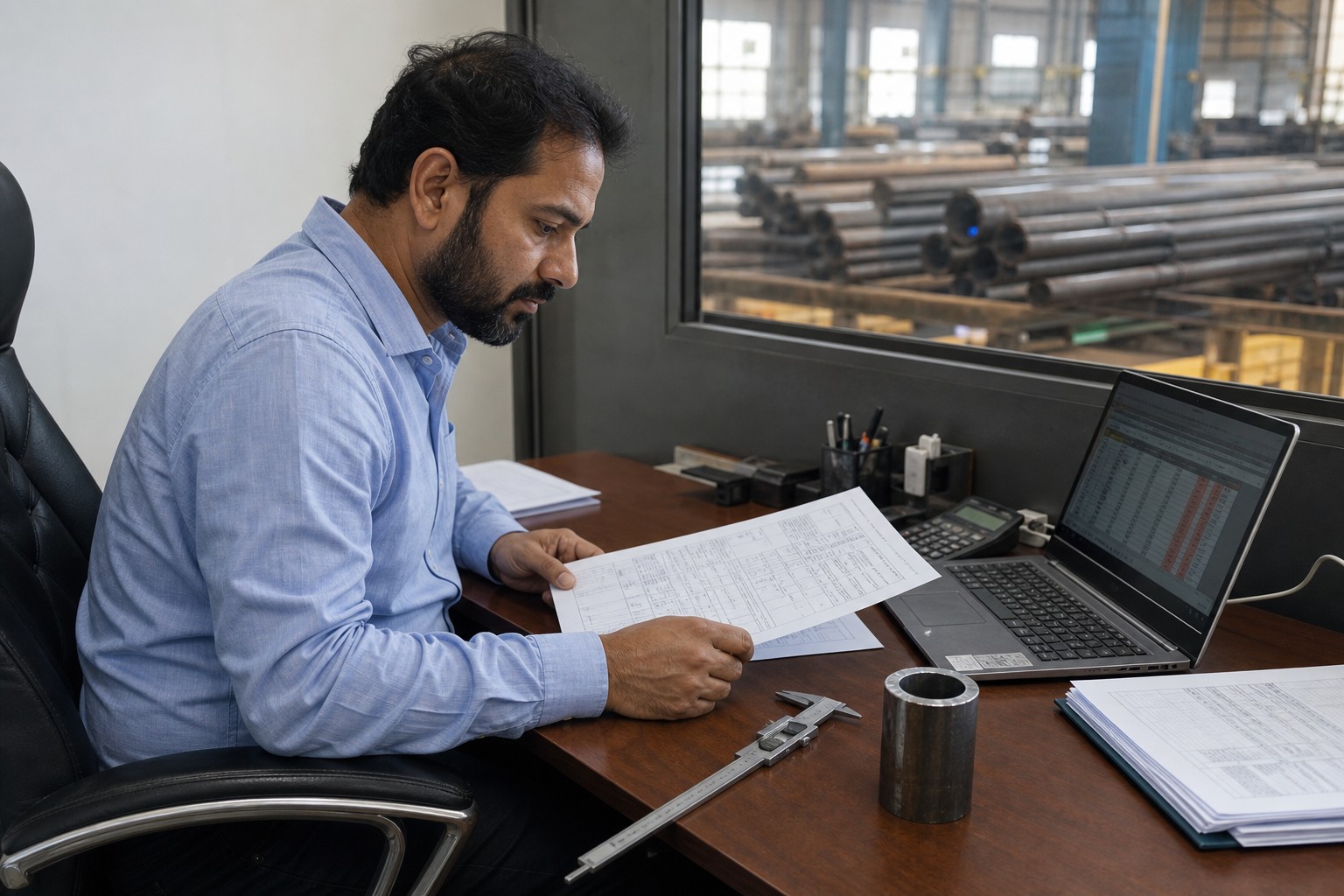
Reading a mill test certificate correctly is the cheapest quality control you can perform. The certificate header should state the full product designation — for example “API 5L X52M PSL 2” — where the M suffix indicates the thermomechanical rolling process. If the certificate says only “X52” without a PSL designation, treat it as PSL 1 and ask for clarification before accepting it against a PSL 2 order.
Beyond the designation, check four numbers on the certificate: the carbon equivalent (CEIIW or CEPcm as applicable to the grade), the yield-to-tensile ratio, the Charpy absorbed energy with its test temperature, and the hydrostatic test pressure. Each of these has a stated limit in the API 5L table for the grade and PSL you ordered, so the comparison takes minutes. This is also the moment to confirm that the mill stamp on the pipe body — grade, PSL, size, heat number and manufacturer mark — matches the certificate, because inspectors and customs auditors will compare the two.
How to Choose Between PSL 1 and PSL 2
The decision framework used by most engineering teams is simple:
- PSL 1 is adequate for gathering lines, water injection and utility services at moderate pressure where the pipe will not be welded into a critical transmission system.
- PSL 2 is required wherever the pipeline is subject to pressure regulation codes (ASME B31.4 / B31.8 in North America), carries hydrocarbons to populated areas, operates at low temperature, or transports sour fluid.
When in doubt, specify PSL 2. The premium is a small percentage of installed pipeline cost, while a specification shortfall is measured in failures, downtime and liability. If your project genuinely qualifies for PSL 1, the saving is real — but it must be a documented engineering decision, not an accidental default.
Frequently Asked Questions
Can X52 PSL 2 be welded to X52 PSL 1 pipe?
Mixing PSL levels in one line is strongly discouraged. The weld procedure, chemistry envelope and testing basis differ, and most pipeline codes require a single specification level for the full line.
Does PSL 2 require impact testing at −20 °C?
Only if your order specifies it. PSL 2 requires impact testing, but the test temperature is a purchase-order item — typically 0 °C, −10 °C or −20 °C. Match it to your design minimum temperature.
Is ISO 3183 L485M the same as API 5L X70 PSL 2?
Yes. ISO 3183 grades map directly to API 5L: L485M is X70M (thermomechanically rolled), and the “M” suffix implies PSL 2-level requirements. Always confirm the standard edition and testing basis on the certificate.
Is PSL 2 always better than PSL 1?
Not universally — for simple, low-pressure gathering service at moderate temperatures, PSL 1 is fit for purpose and saves 5–15 percent. PSL 2 is better where transmission codes apply, low temperatures are expected, the fluid is sour, or field welding quality cannot be guaranteed. Choose by service conditions, not by habit.
Specify Correctly, Then Compare Prices
The right way to buy line pipe is to fix grade, PSL level, test temperature and supplementary requirements before requesting quotes — then compare offers on an identical basis. If you need help translating your design conditions into an API 5L line pipe specification, or you want to check recent heat certificates for seamless steel pipe in PSL 1 or PSL 2, our team can review your inquiry and confirm mill-direct pricing with the testing package itemized. Contact Shuncheng Steel with your diameter, wall thickness, standard and quantity.
Related Reading
Just starting with line pipe terminology? Read Oil and Gas Pipeline Steel: Grades, Standards and Selection Guide, or learn how line pipe is made in What Is Seamless Steel Pipe?